A unique itinerary showcasing how you can spend 2 weeks in Sri Lanka based on our 2025 Small Group Tour
Each August we run a small group journey around the spectacular Kandy Esala Perahera.
For travelers visiting Sri Lanka, witnessing this ancient procession is often the highlight of the entire journey. Dancers, drummers, fire performers, and elaborately decorated elephants move through the city night after night in a ritual that has been part of Sri Lankan culture for centuries.
Our annual Perahera tour is designed around this event and the Nallur Festival in Jaffna, one of the most important Hindu festivals in Sri Lanka, yet it remains largely unknown to international travelers.
Over 2 weeks in Sri Lanka we combine TWO festivals with wildlife safaris, hill country landscapes, ancient heritage sites, and relaxed coastal time.
The 2025 edition brought together a small but wonderfully diverse group of travelers, and like every journey, it left us with new memories—and a few lessons that shape the next edition.
The 2027 edition is now open for booking, with several improvements based on what we learned during our past journeys.
If you are looking for a carefully designed way to experience Sri Lanka, this itinerary might be the perfect fit.
2 Weeks in Sri Lanka Small Group Tour
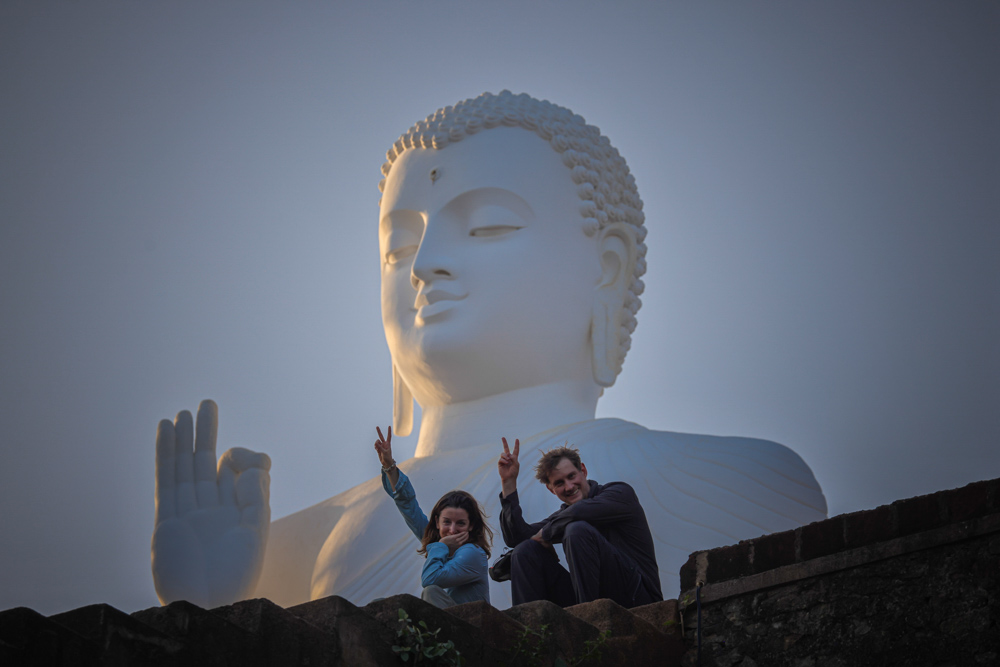
2 Weeks in Sri Lanka Itinerary Overview
This itinerary is designed to combine culture, wildlife, and nature in a balanced pace. This journey intentionally avoids the classic tourist loop and explores the quieter north of Sri Lanka
Our 2025 route was as follows:
- Day 1-2: Arrival in Negombo and Journey to Kandy
- Day 3-4: Experiencing Kandy Perahera (penultimate and ultimate Randoli nights)
- Day 5: Relaxing/Hiking in the Knuckles Mountain Range
- Day 6-7: Exploration of the Cultural Triangle
- Day 8-10: Beach Relaxation in Trincomalee (free time)
- Day 11-13: Discovering Jaffna, Nallur Festival and Delft Island
- Day 14: Mihintale: The Icing on the Cake
- Day 15: Safari in Wilpattu – Departures or see you next time!
A Journey Built Around Two Remarkable Festivals
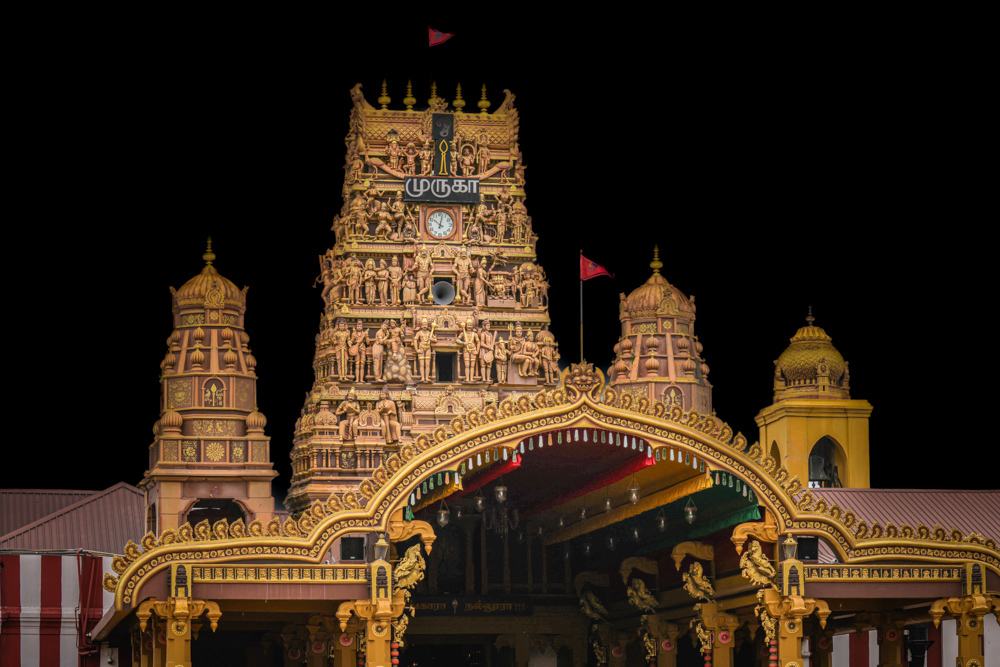
Every August we design a small-group journey across Sri Lanka around two extraordinary cultural events: the famous Kandy Esala Perahera in the hill capital of Kandy and the vibrant Nallur festival at the historic Nallur Kandaswamy Temple in Jaffna.
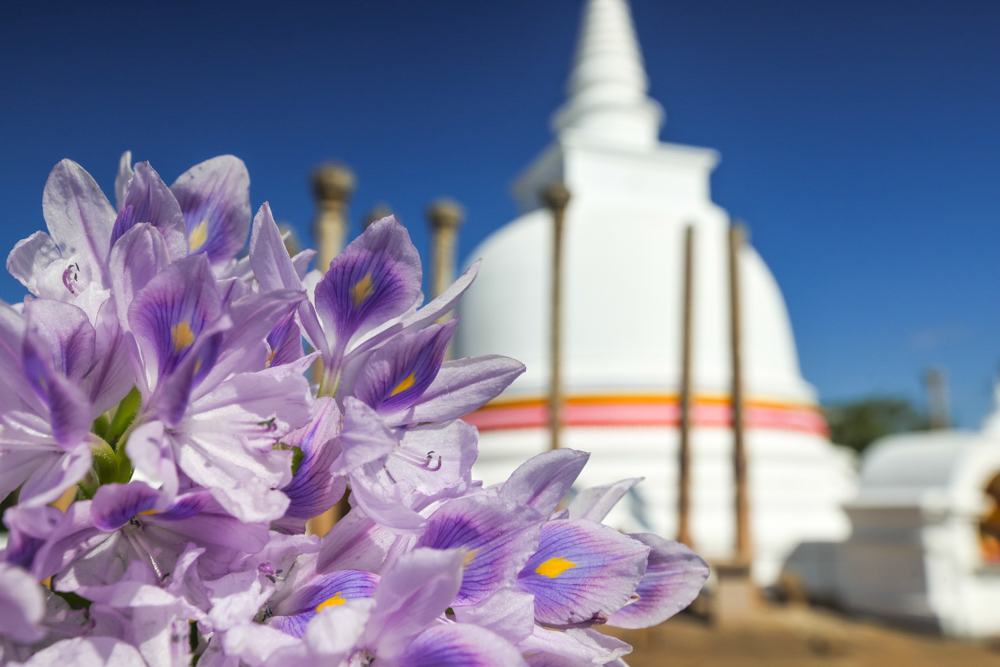
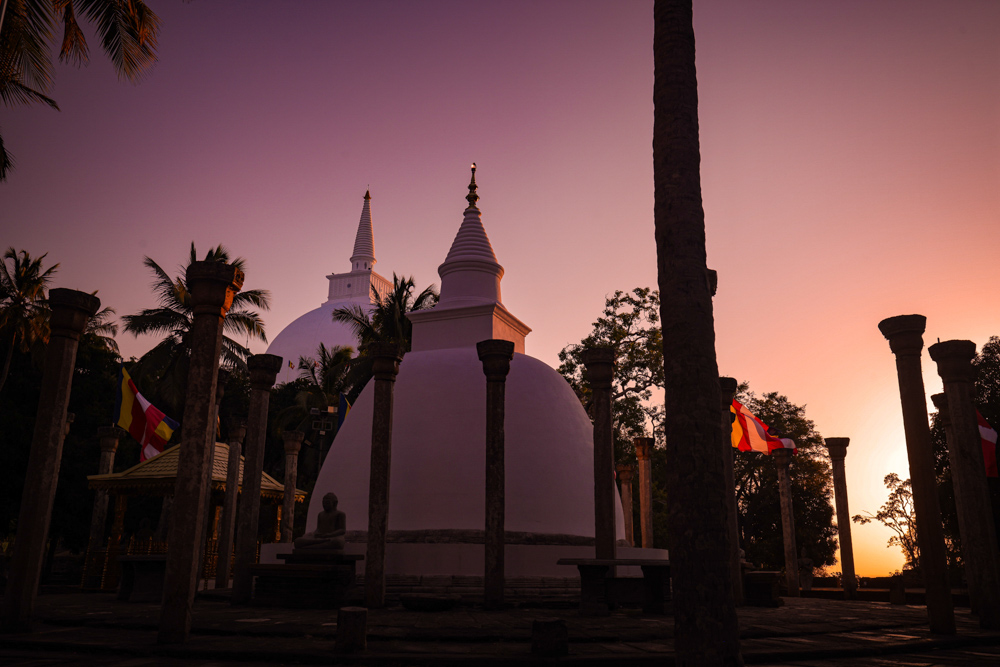
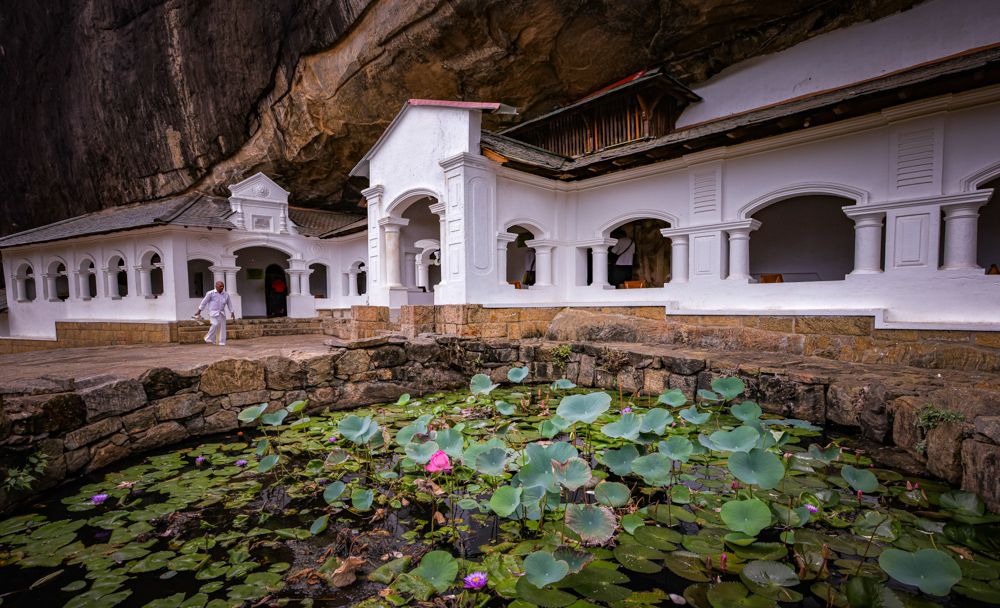
Between these celebrations the itinerary explores parts of the island that many travelers never reach. We track wildlife in the remote forests of Wilpattu National Park, hike through the misty landscapes of the Knuckles Mountain Range, visit the sacred ruins of Anuradhapura, and travel north to the windswept shores of Delft Island.
The story below reflects what the journey looked like during our 2025 small group tour. It brought together travelers from different countries and backgrounds, and it reminded us once again why Sri Lanka continues to surprise even those who have visited the island many times.
The 2025 Group
Eight wonderful guests joined the tour from across Europe and North America. They came from the United Kingdom, Luxembourg, the United States, Germany, and Switzerland, and their ages ranged from 35 to 78.
Small groups always create interesting dynamics. Everyone arrives with different expectations, travel styles, and life experiences.
This tour included a couple celebrating their 25th wedding anniversary, while our eldest guest marked his 78th birthday during the trip.
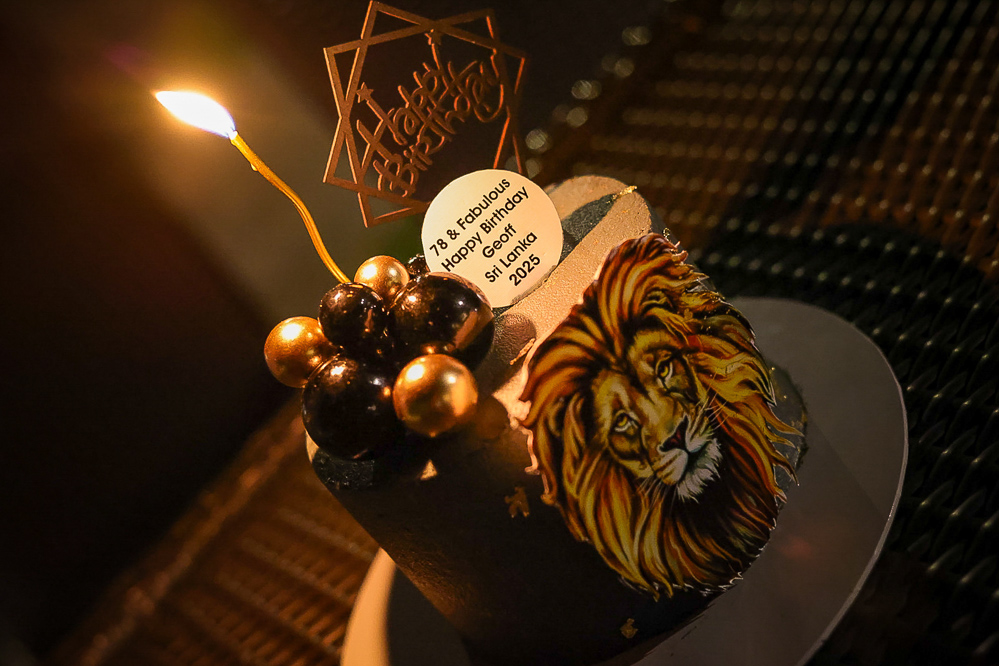
Moments like these tend to become the emotional highlights of a journey. They remind us that travel is rarely just about destinations. It is about the experiences we share along the way.
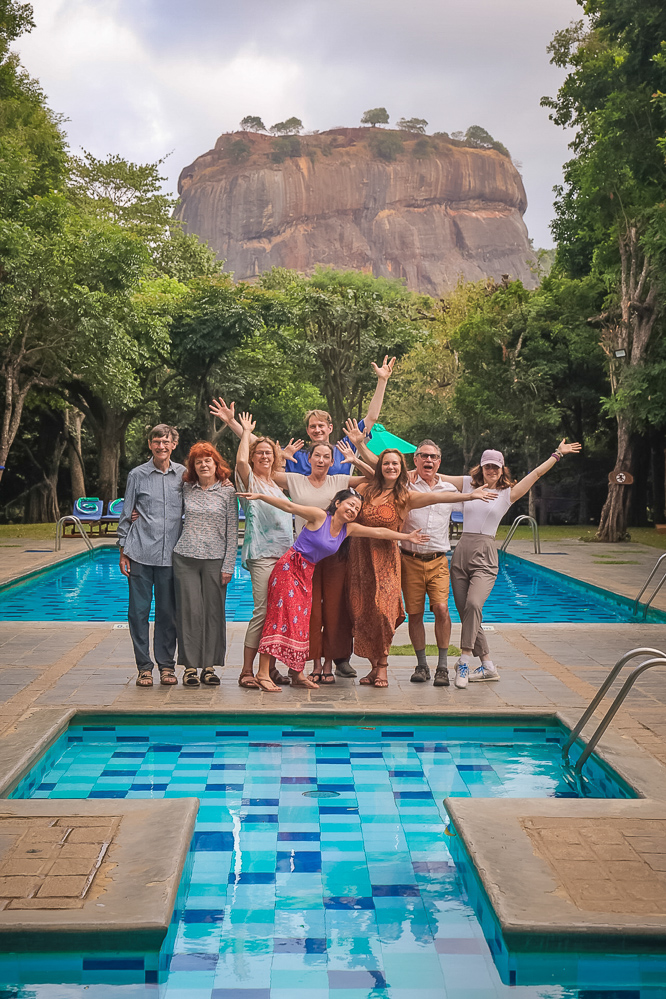
A Small Group with a Large Support Team
Behind the scenes, four people worked to make the journey run smoothly.
I led the tour, coordinating the itinerary and making sure each day unfolded as planned.
Bernd joined us as our professional photographer, helping guests capture the most memorable moments—from sunrise safaris to the dramatic night scenes of the Perahera.
Pathuwa, our resilient and endlessly patient driver, handled the long mountain roads, unpredictable traffic, and early departures with the calm professionalism that only comes from years of experience on Sri Lankan roads.
And then there was Mili, our local tour guide and operations manager, whose deep knowledge of the country and quiet ability to solve problems behind the scenes kept the journey running seamlessly.
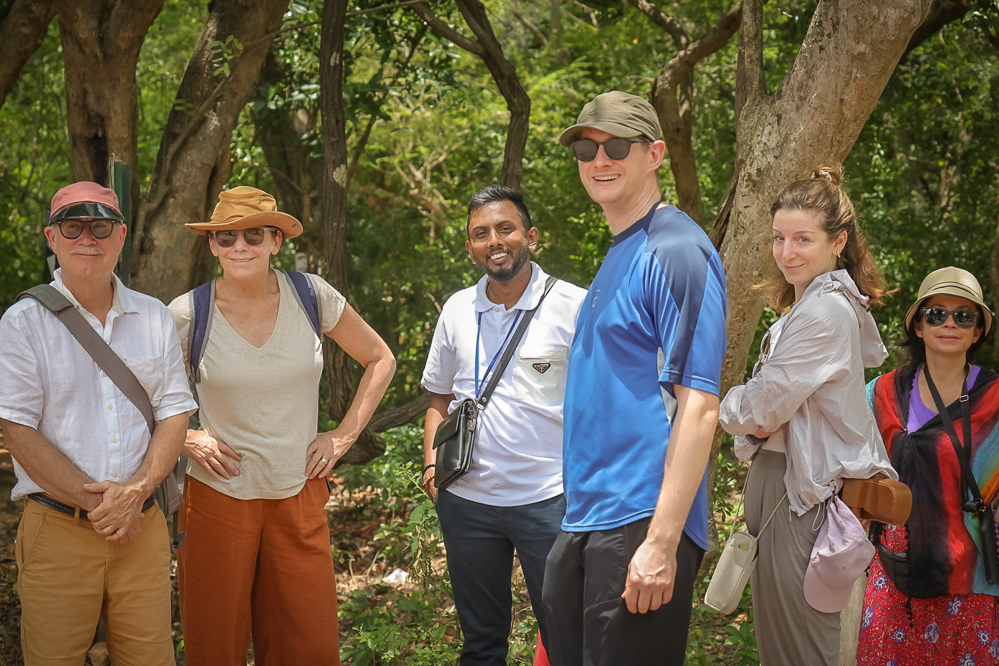
With four crew members supporting eight guests, we were able to do something that larger tours rarely manage: adapt constantly to the interests and pace of the group.
If some guests wanted to do a strenuous full-day hike while others preferred a slower cultural visit, we could split into much smaller groups and make both experiences happen.
This flexibility adds complexity from an operational perspective, but it ensures that each traveler experiences Sri Lanka in a way that feels personal.
And our priority is simple.
Every guest should return home with memories that last a lifetime.
A Different Kind of Group Dynamic
Interestingly, the group dynamic during this tour developed more slowly than on some of our other journeys.
Just before arriving in Sri Lanka, I had been leading another expedition across Mongolia. On that trip, the group representing countries like Paraguay, USA, Spain, Germany, Bulgaria, Cyprus, and Turkey bonded almost instantly, sharing stories and laughter around campfires in the vast steppe.
Sri Lanka unfolded differently.
Connections formed gradually, and guests often explored certain moments in smaller circles rather than as one tightly bonded group. Some travelers preferred quiet walks or photography sessions on their own, while others enjoyed long conversations during meals.
Looking back, this slower dynamic wasn’t a weakness of the group. If anything, it reflected the diversity of personalities within it.
A well-designed tour should not force a particular group dynamic. Instead, it should create the space for each traveler to experience the journey in the way that feels most natural to them.
Designing an Itinerary for Many Types of Travelers
This itinerary is intentionally challenging to design.
It has to work equally well for people visiting Sri Lanka for the first time and for those returning for the fifth time. Some travelers want wildlife encounters. Others prefer hiking in the highlands. Others focus on photography or cultural experiences.
Over two weeks we move through several regions of the island.
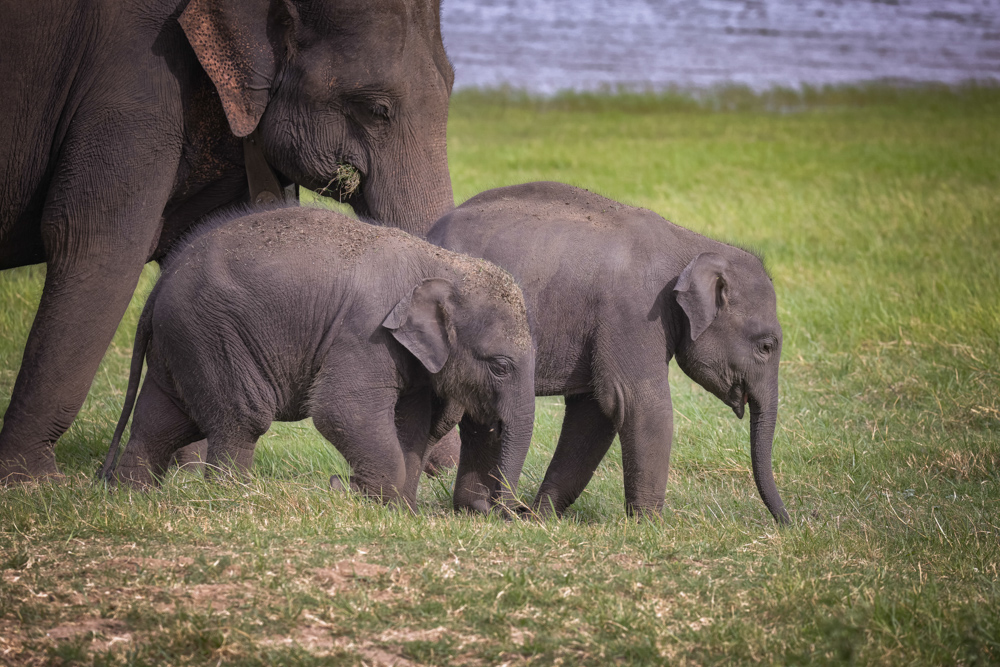
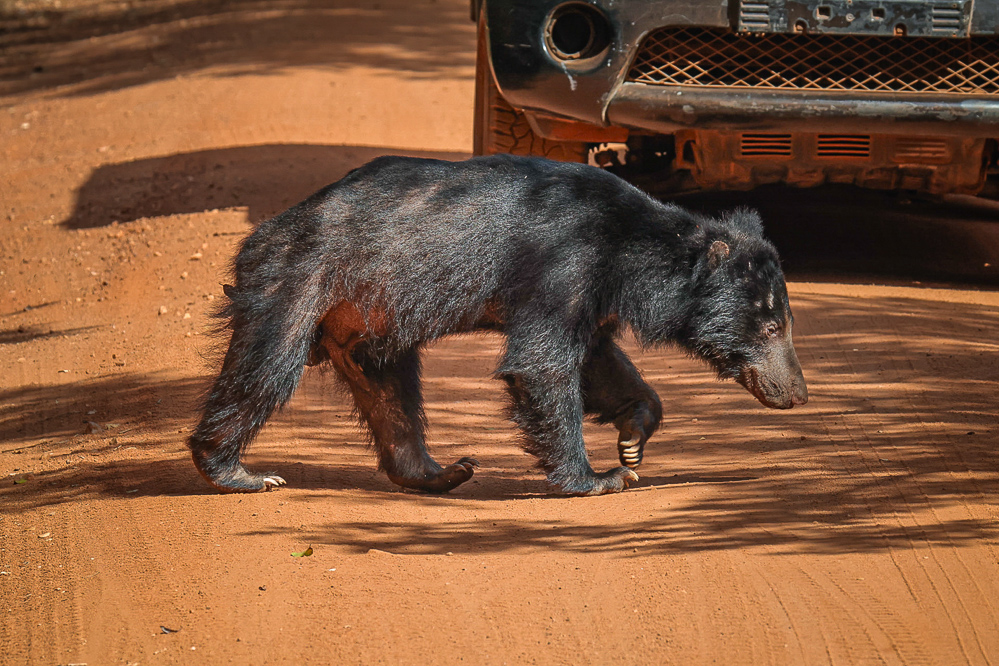
Ancient heritage sites such as Sigiriya provide a glimpse into Sri Lanka’s early civilizations. The cool hill country around Knuckles offers spectacular landscapes and gentle hikes through plantations or strenuous hikes to the peaks. Wildlife safaris in places like Wilpattu National Park bring travelers face to face with elephants, crocodiles, and—if luck is on our side—leopards.
The challenge is not simply fitting these experiences into two weeks. The real challenge is balancing them in a way that allows flexibility so each guest can experience the journey in their own way.
Experiencing The Magic of the Perahera
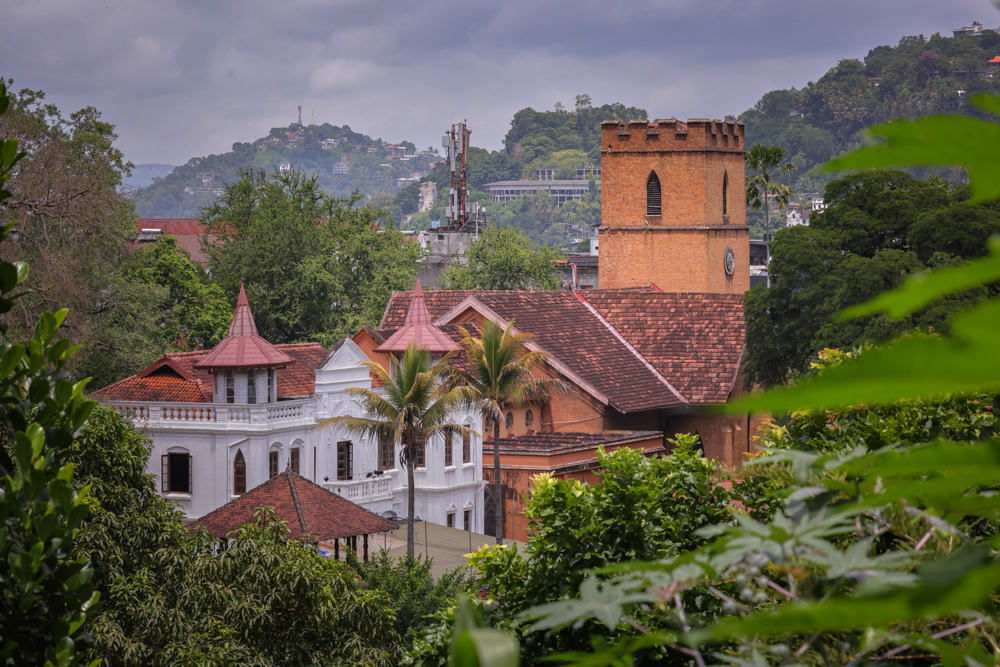
The journey first brought us to the event around which the entire tour is built: the Kandy Esala Perahera.
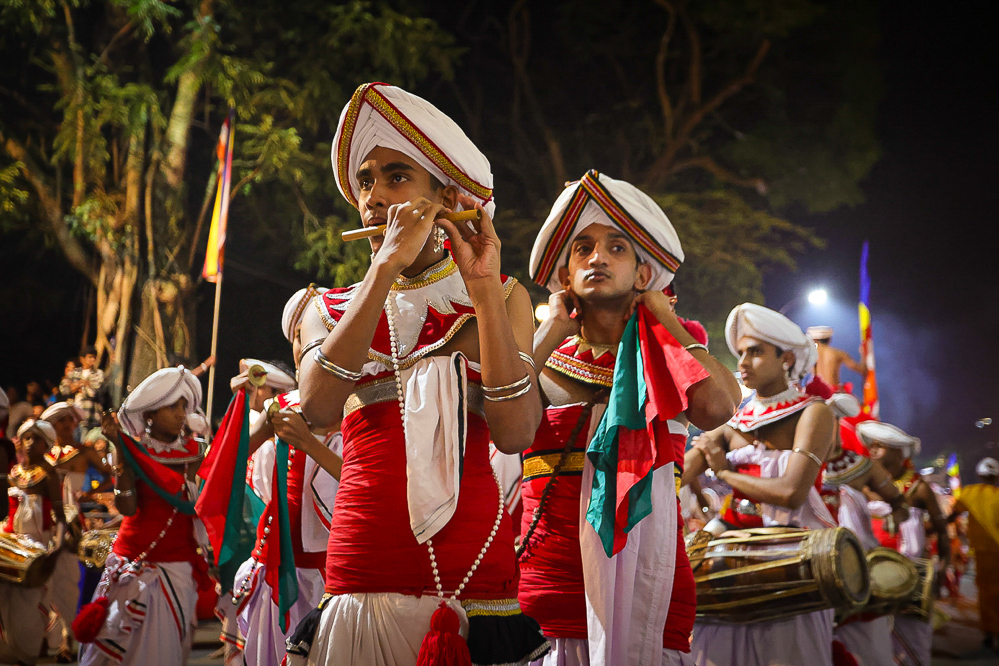
During these final nights of the Perahera the city of Kandy transforms into a stage for one of Asia’s most spectacular cultural traditions.
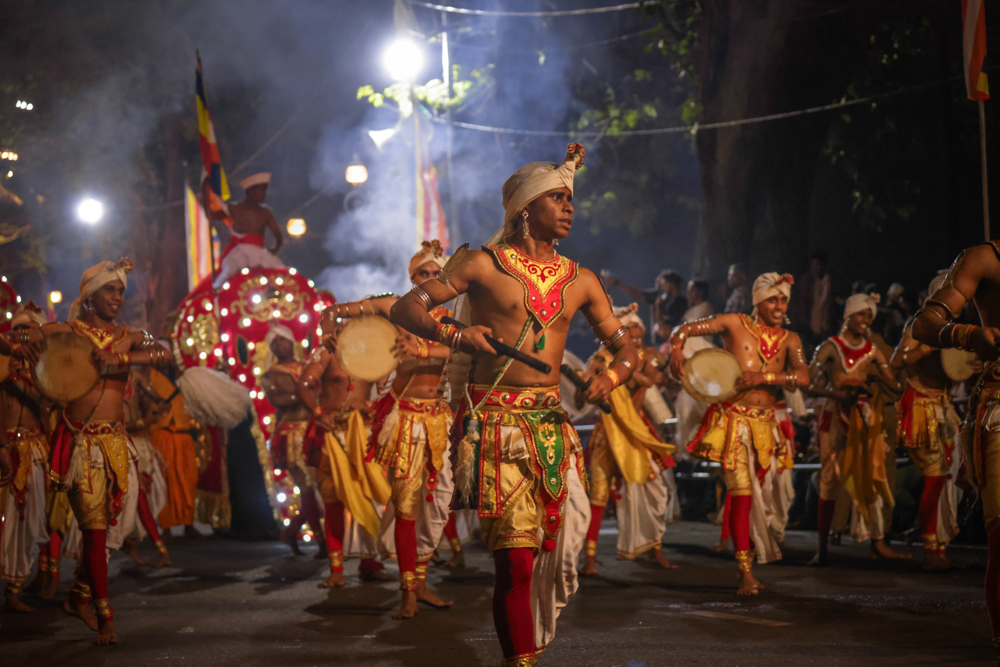
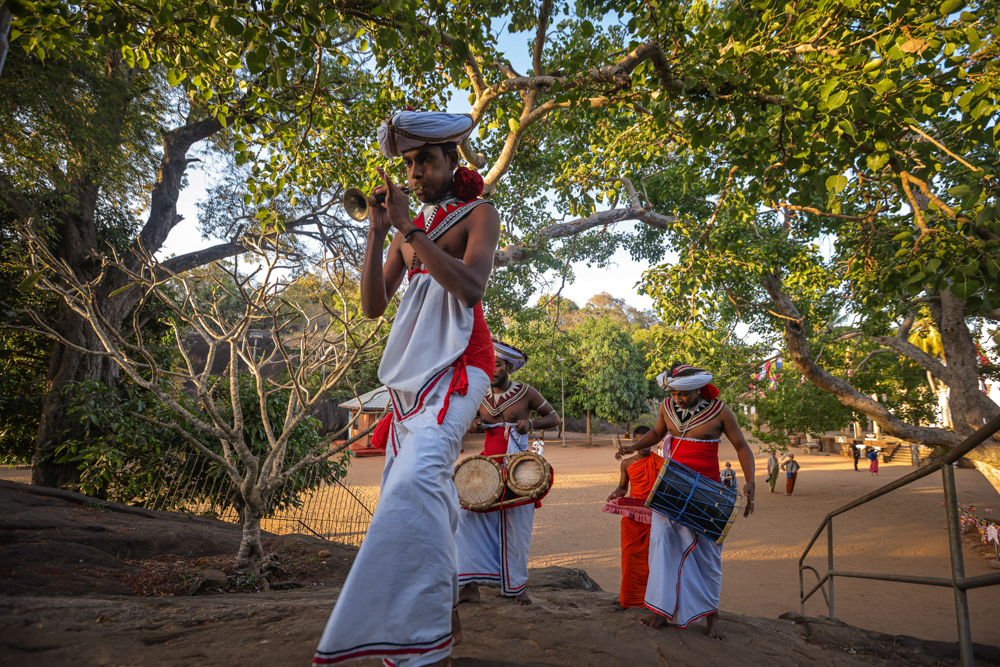
Rows of drummers set the rhythm of the procession. Dancers spin and leap through the streets. Fire performers illuminate the night. And towering elephants, adorned in elaborate ceremonial garments, carry sacred relics through the crowds.
For photographers, the Perahera is a visual feast. But even those without cameras quickly realize they are witnessing something rare: a living tradition that continues to shape Sri Lankan culture today.
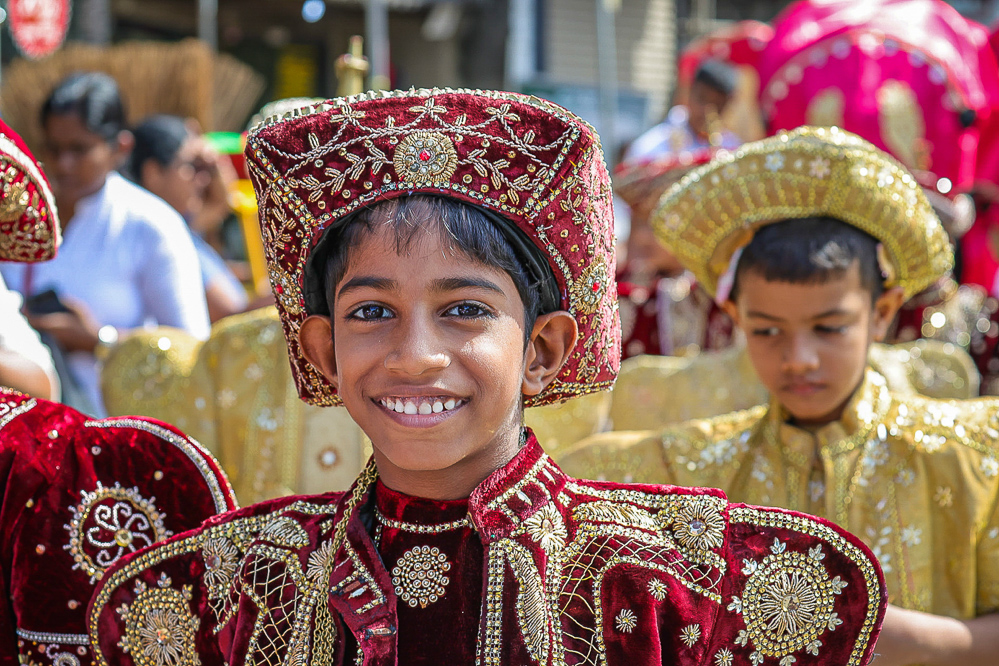
For many guests, these nights became the emotional centerpiece of the journey. Check out our Kandy Perahera 2025 Photo Gallery for more visuals from the final two nights of the magical festival.
Discovering the Nallur Festival in Jaffna
While the Kandy Esala Perahera is internationally known, another remarkable celebration unfolds far to the north of the island.
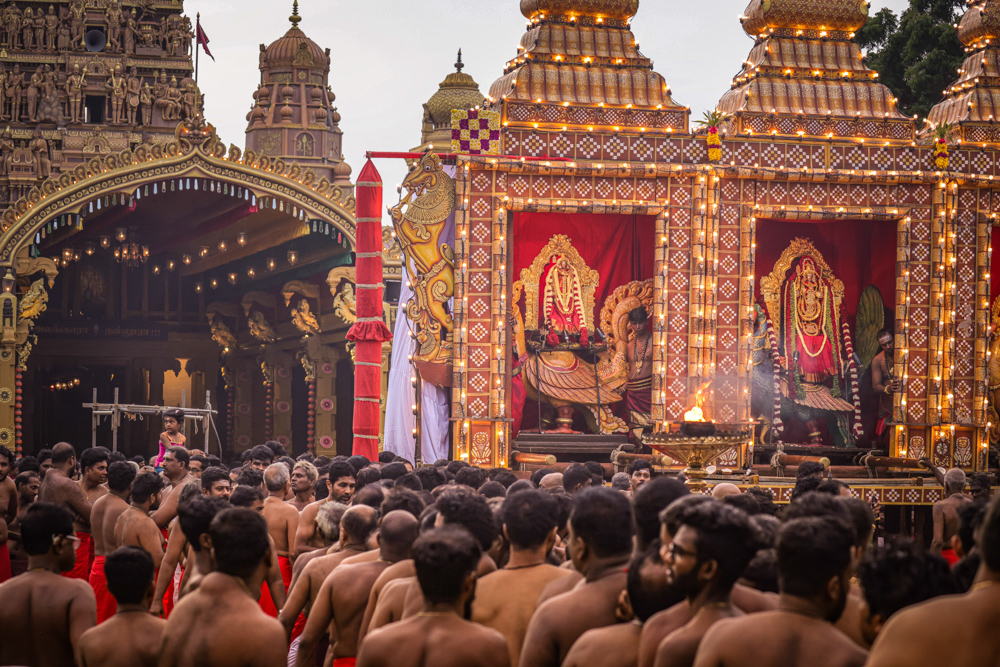
During our journey we also experienced the Nallur Festival at the historic Nallur Kandaswamy Temple in Jaffna.
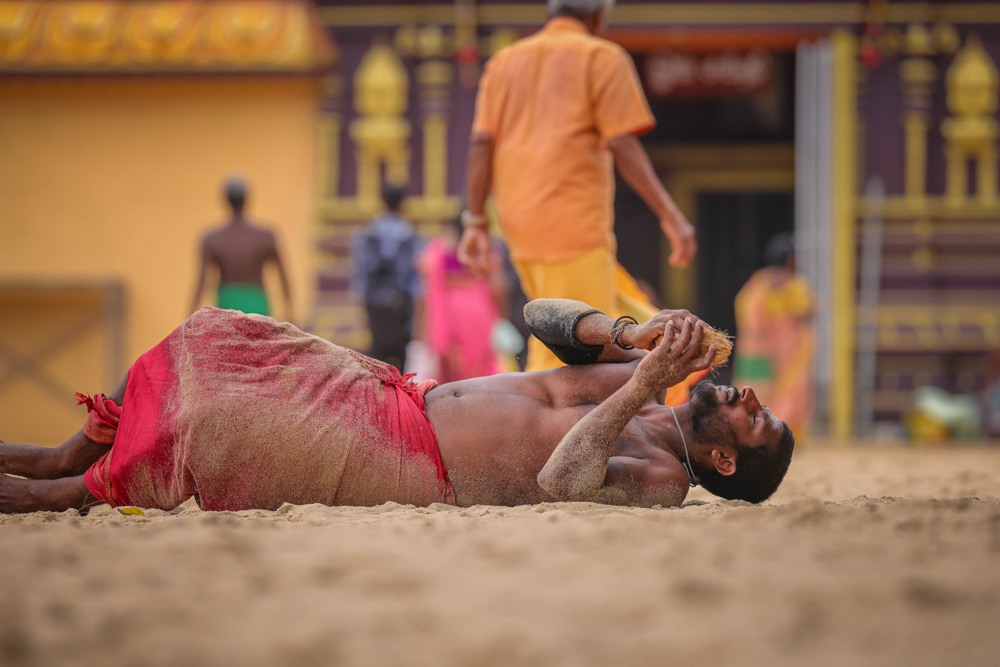
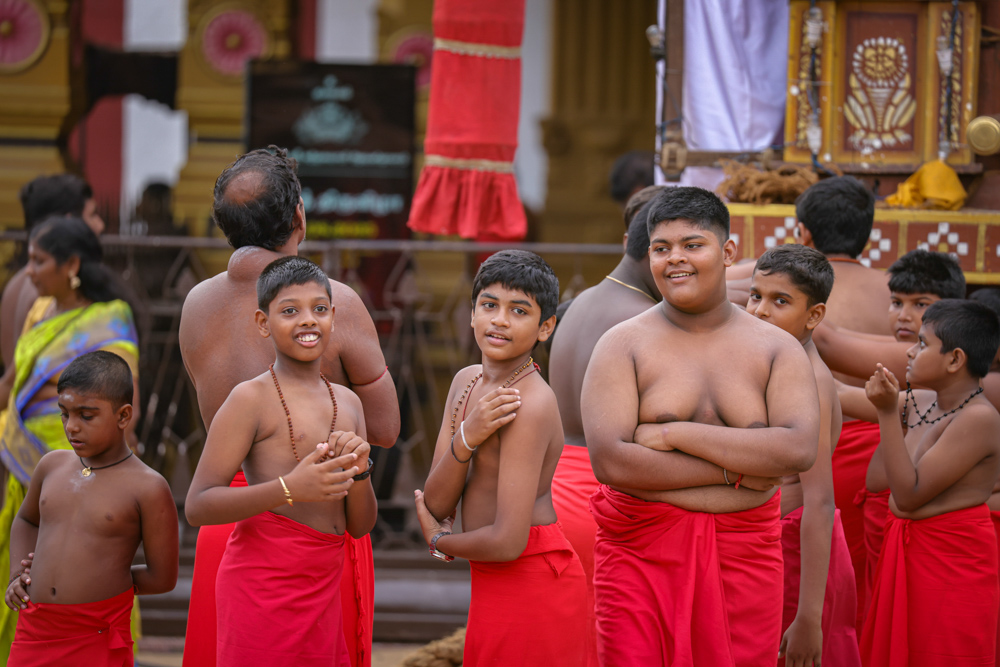
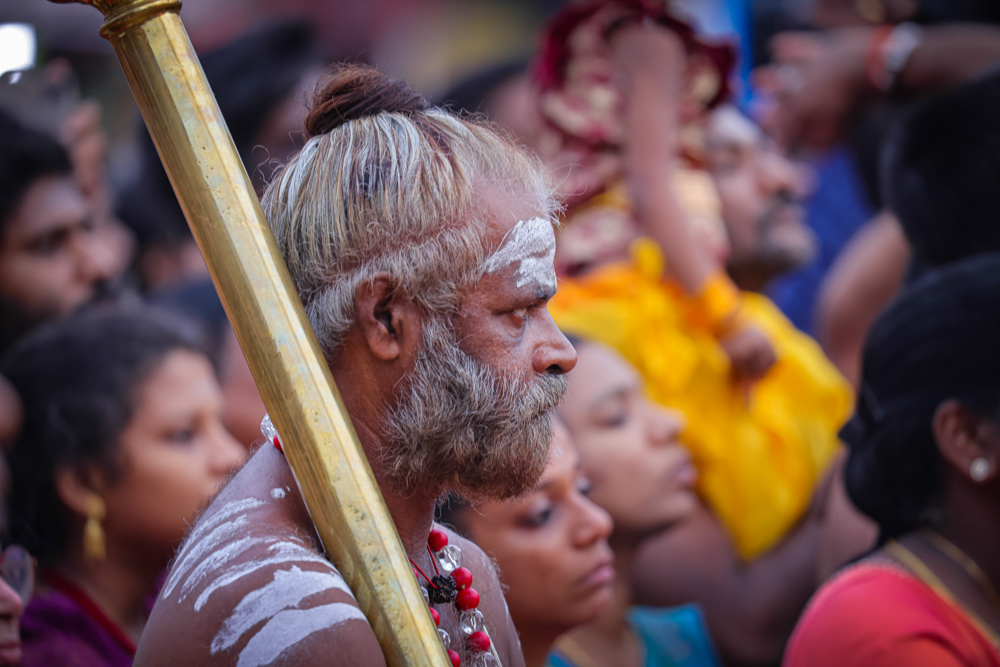
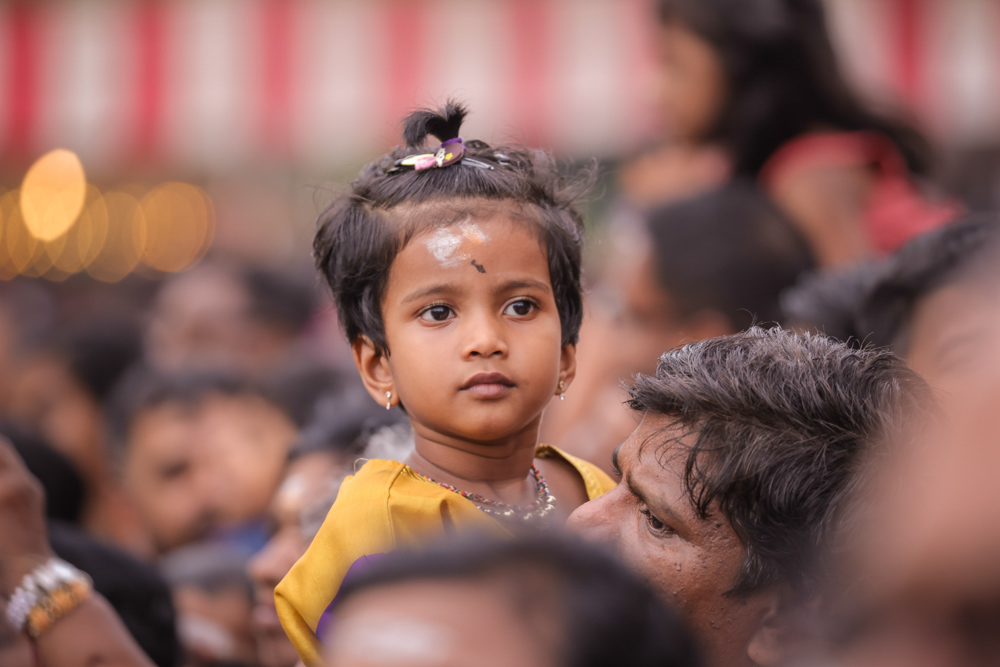
For many travelers this became one of the most surprising highlights of the trip. Unlike the grand spectacle of the Perahera, the Nallur festival feels deeply rooted in local community life. Thousands of devotees gather around the temple dressed in traditional attire, while rhythmic drums and devotional chants fill the air.
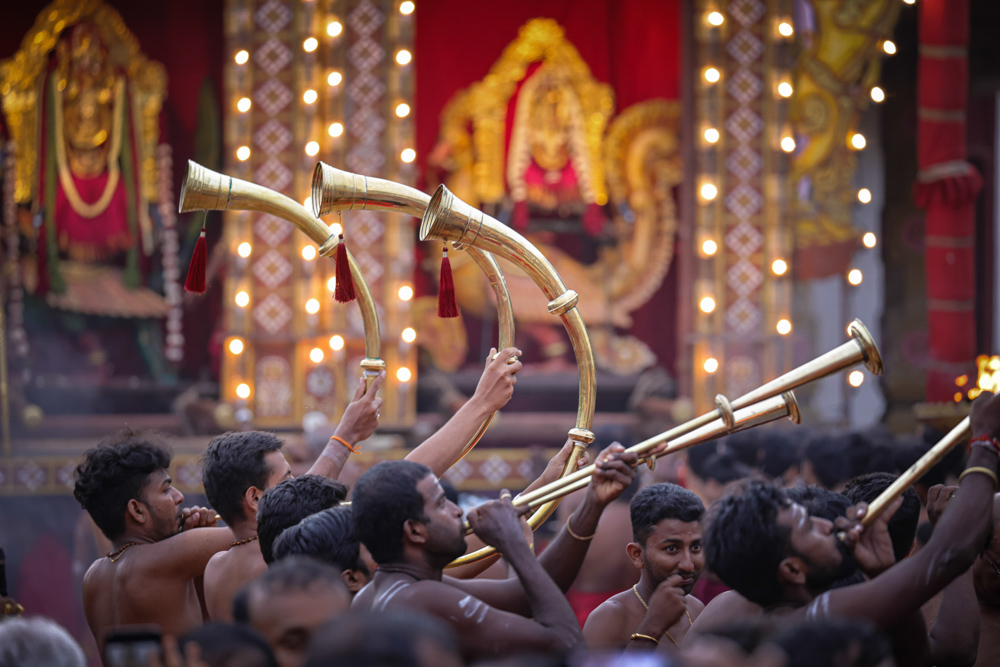


Colorful processions move through the streets surrounding the temple, and the atmosphere is intense yet welcoming. Many pilgrims walk barefoot as a sign of devotion, while families gather to witness the rituals that have been part of northern Sri Lankan culture for generations.
For our guests, experiencing this festival offered a rare glimpse into a side of Sri Lanka that most visitors never see.
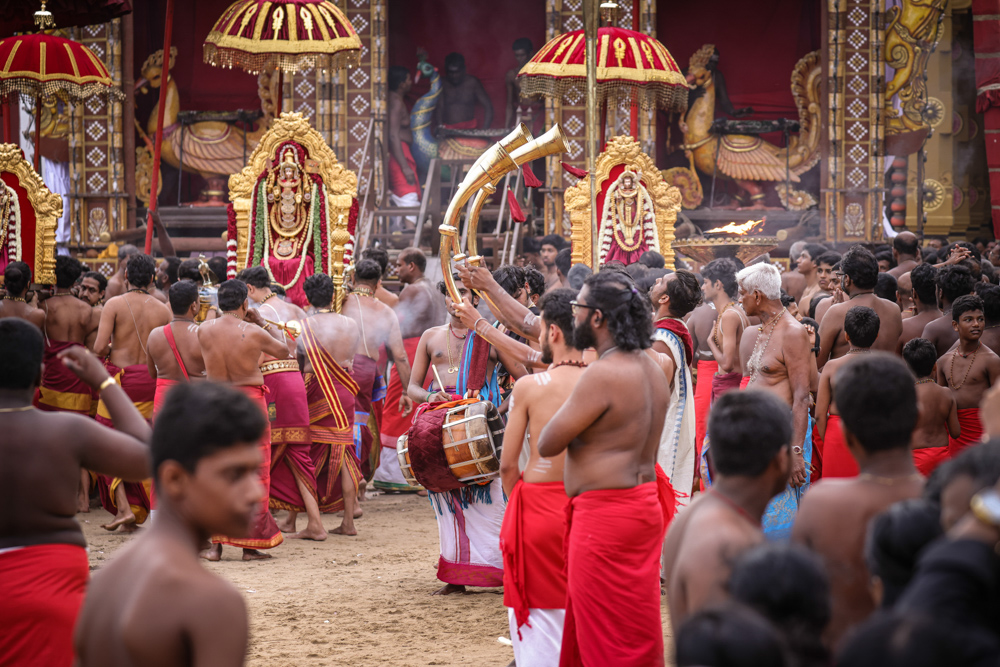
Travelers who explore only the southern part of the island often miss the cultural richness of the north. Visiting Jaffna during the Nallur festival reveals a completely different rhythm of life and a deeper understanding of the country’s diverse traditions.
Moments like this are exactly why we include the northern region in our itinerary.

They remind us that Sri Lanka is not just one destination, but many distinct cultures woven together on a single island.
Exploring the Less-Visited North (Jaffna / Delft Island)
One of the defining aspects of our tour is the journey through northern Sri Lanka.
Beyond the cultural triangle, we travel to places that remain largely undiscovered by international tourism, including:
- the ancient city of Anuradhapura
- the wildlife landscapes of Wilpattu National Park
- the vibrant Tamil culture of Jaffna
- and the windswept island of Delft Island.
These regions reveal a different side of Sri Lanka—one that feels quieter, more authentic, and deeply connected to local traditions.
The Curious Landscape of Delft Island
One of the most unusual excursions during the tour takes us far off the typical tourist route to Delft Island, a remote island in the Palk Strait north of Jaffna.
Reaching the island already feels like a small adventure. A local ferry carries passengers across turquoise waters toward a landscape that feels surprisingly different from the rest of Sri Lanka. We hired a private boat for our group, but that boat was nothing fancy. The 1.5 hours choppy boat ride was still an adventure in itself!
Delft is flat, windswept, and almost surreal. Coral-stone walls line dusty roads, giant baobab trees stand alone in open fields, and herds of wild horses roam freely across the island. These horses are believed to descend from animals brought here centuries ago during colonial times.
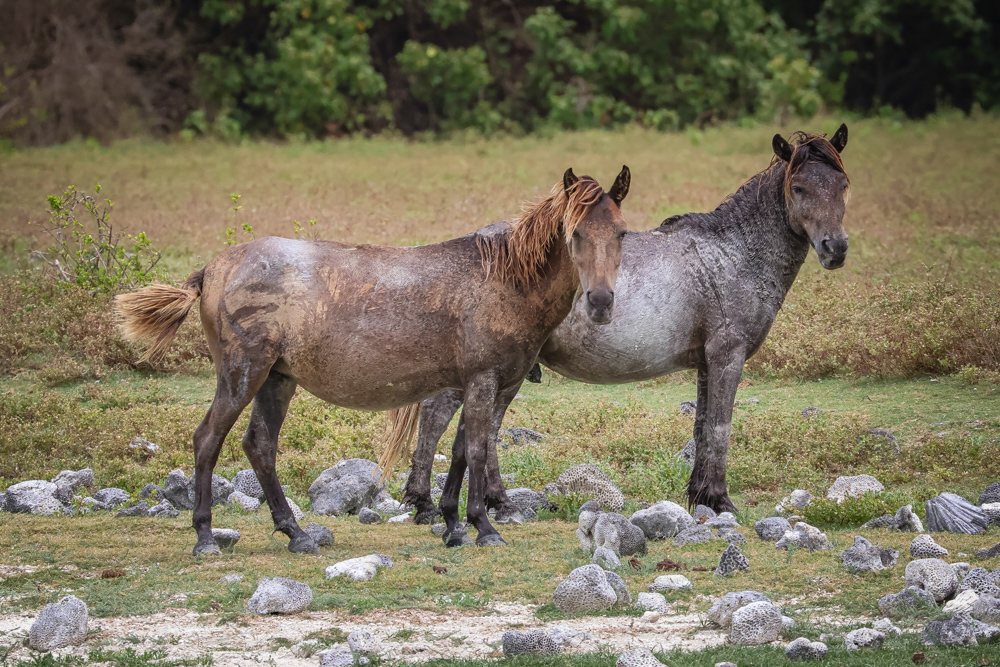
Life on Delft moves slowly. Fishermen repair nets in the shade, bicycles outnumber cars, and the rhythm of the island is dictated by the sea.
For many guests this excursion becomes one of the most unexpected highlights of the entire 2 weeks in Sri Lanka —a glimpse into a corner of Sri Lanka that feels wonderfully untouched by modern tourism.
Wildlife, Hill Country, and Unexpected Moments
Beyond the festivals and cultural sites, the journey also reveals the quieter landscapes of Sri Lanka.
After days of cultural exploration with the crowds during the Kandy Perahera festival, the Knuckles mountains offer space to slow down and simply absorb the landscape. The scenery changes dramatically as we enter the cool highlands of the Knuckles Mountain Range.
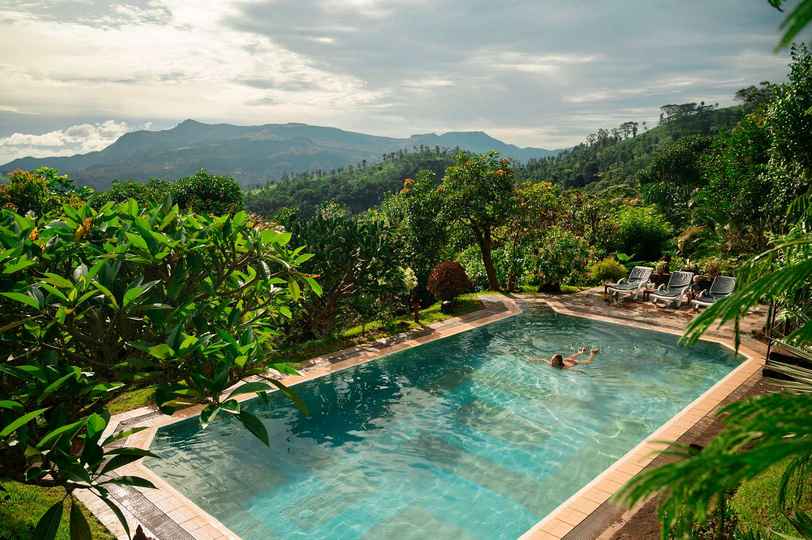
Named after the shape of its jagged peaks, this UNESCO-listed mountain region offers a completely different side of Sri Lanka. The air is cooler, the forests denser, and the pace of life noticeably slower.
Our hikes here follow quiet trails through cloud forest, terraced villages, and hidden waterfalls. Occasionally we meet farmers working in small fields or children walking home from school along mountain paths.
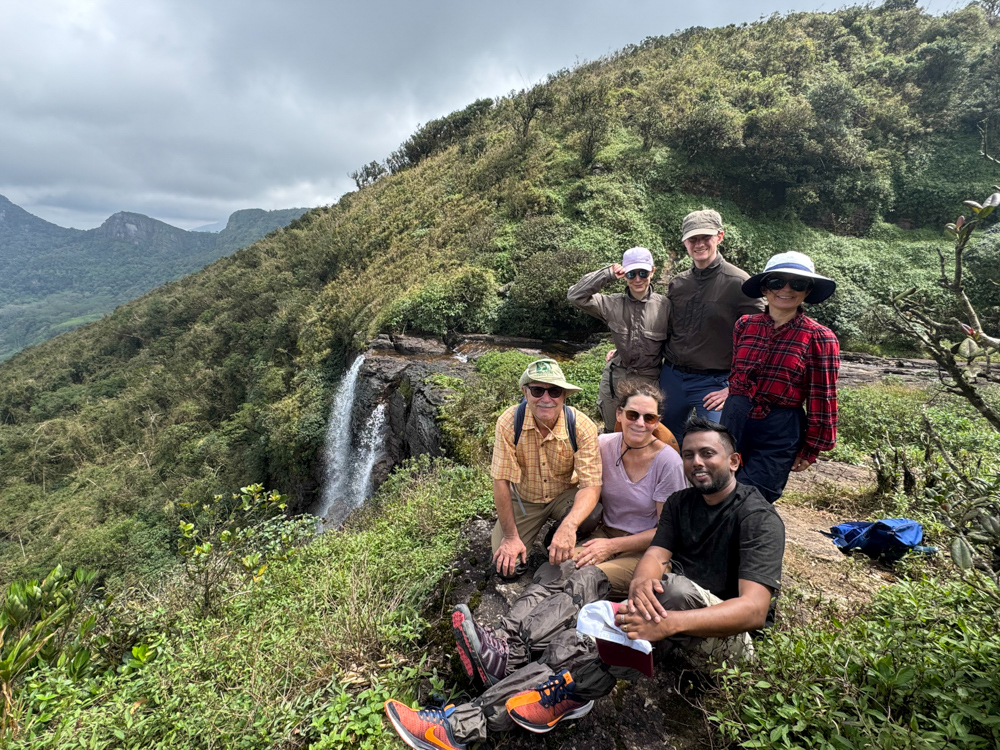
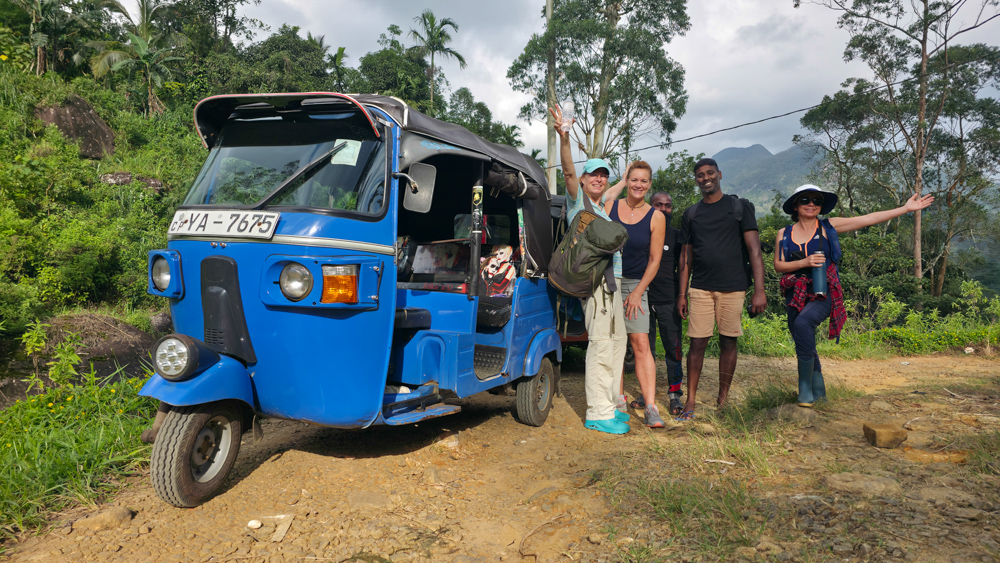
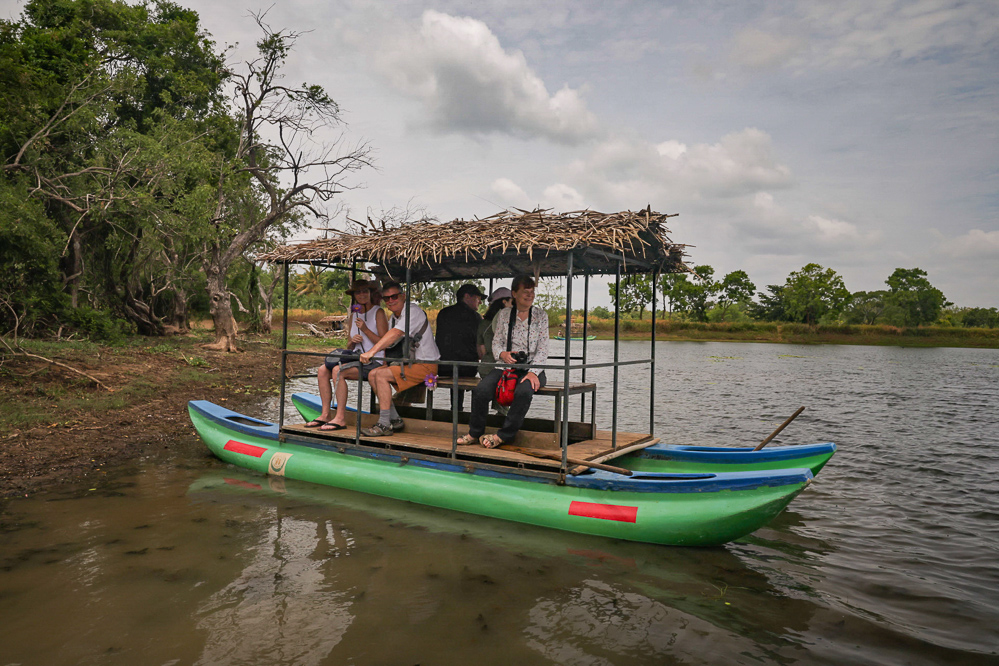
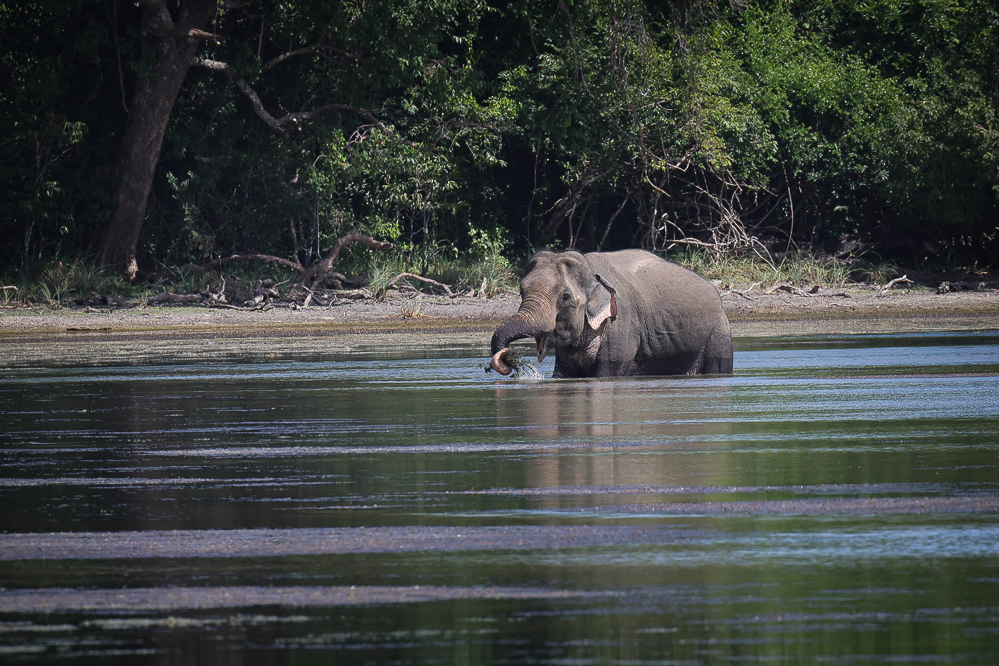
One of the many highlights is our time in Wilpattu National Park, the island’s largest national park and one of its most atmospheric wilderness areas. Unlike some of the more visited parks in the south, Wilpattu feels vast and untamed. The landscape is defined by natural lakes, known locally as villus, which appear like mirrors scattered across the forest.
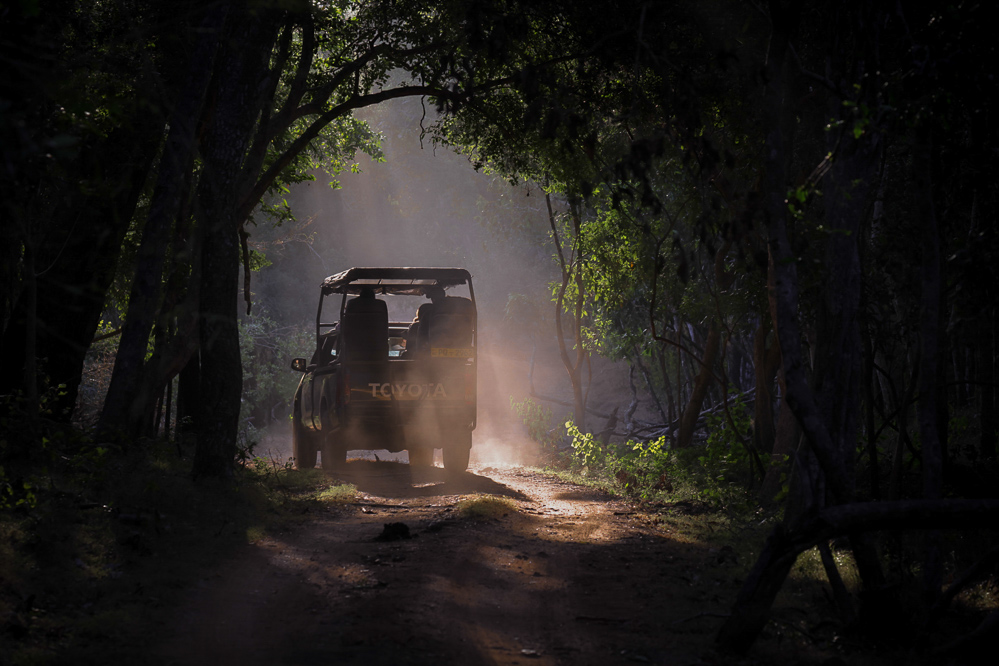
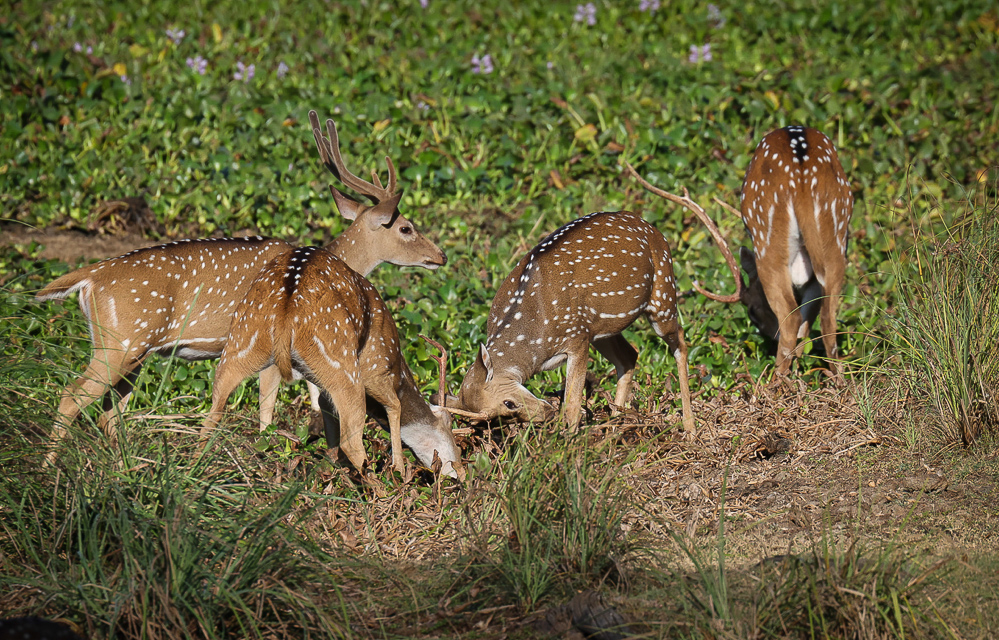
Early morning safaris here move slowly through dry woodland and open clearings where elephants, deer, and sometimes even leopards emerge from the shadows. Wildlife sightings are never guaranteed, but that uncertainty is part of what makes the experience feel authentic. The forest reveals itself gradually, and patience is often rewarded.
But as on every journey, some of the most memorable moments are the ones that never appear in the itinerary.
A roadside tea stop that turns into an impromptu conversation with locals.
A sunset over a reservoir after a long safari drive.
Or a quiet evening when the group gathers for dinner and stories from the road slowly fill the table.
These are the moments that travelers often remember long after the trip is over.
Lessons from the 2025 Tour
Every tour teaches us something, and the 2025 edition highlighted an issue we had been observing for some time.
The coastal town of Trincomalee offers beautiful beaches, but during the peak travel season in August the accommodation options often struggle to justify their high prices.
For us, this matters. When guests travel across the world to join one of our tours, the experience must feel worth the investment.
This realization prompted us to rethink part of the itinerary.
What’s New for Upcoming Tours
For the upcoming editions we are introducing two significant improvements.
Instead of Trincomalee, the journey will venture into the remote wilderness of Gal Oya National Park. This lesser-known park offers one of the most unique wildlife experiences in Sri Lanka: boat safaris across a vast reservoir where elephants sometimes swim between islands.
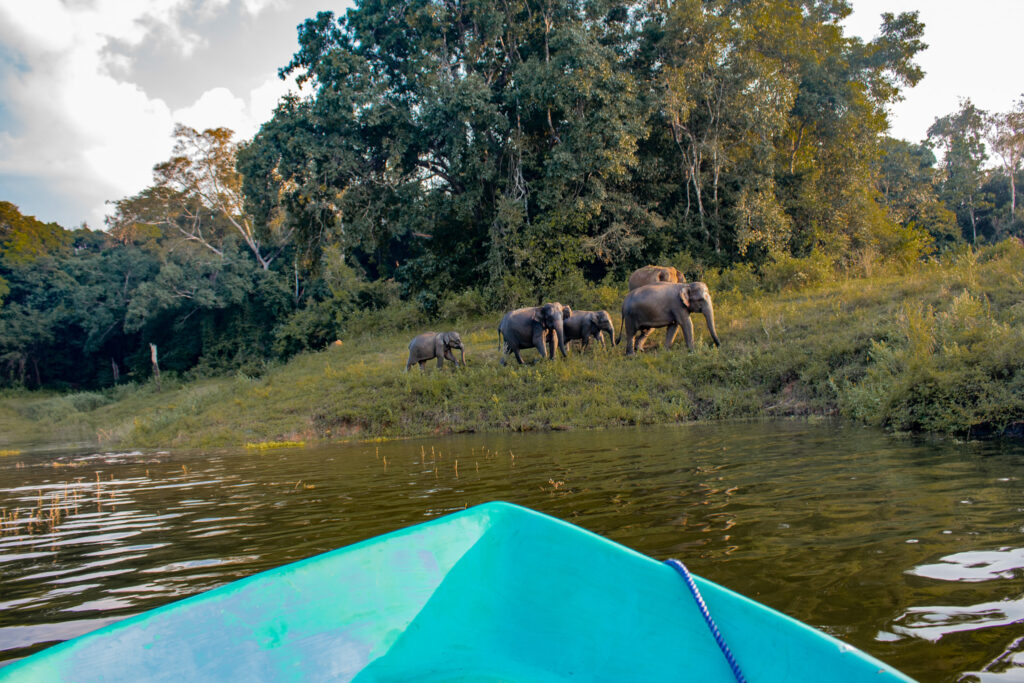
It is quieter, wilder, and far less visited than the island’s more famous parks.
The beach portion of the itinerary will also move to Kalpitiya on the northwest coast. With its wide beaches, dolphin encounters, small boutique lodges and relaxed atmosphere, Kalpitiya provides a far more rewarding setting for the final days of the journey.
These changes are not about reducing costs. They are about improving the overall experience and ensuring that the tour continues to offer exceptional value.
Looking Ahead to the 2027 Edition
Every journey evolves. The 2025 tour reminded us once again how important flexibility, thoughtful planning, and a strong support team are when hosting travelers from around the world.
It also reinforced why we keep these tours small.
Small groups allow us to adapt, to slow down when needed, and to create the kind of travel experiences that remain vivid long after the journey ends.
If you would like to experience the magic of the Kandy Esala Perahera while exploring the landscapes, wildlife, and culture of Sri Lanka, the 2027 edition of the tour is now open for bookings.
We would be delighted to welcome you on the next journey.
Join the 2027 Kandy Perahera Tour
If you would like to experience the Kandy Esala Perahera while exploring the highlights of
Sri Lanka, you can view the full itinerary below.
→ View the 2027 Kandy Perahera Tour Our Signature 2 Weeks Version
→ View the 2027 Kandy Perahera Tour 1 Week Version
FAQ – Planning a Sri Lanka 2 Week Itinerary
Is two weeks enough for Sri Lanka?
Yes, two weeks is an excellent amount of time to explore Sri Lanka. The island is compact, yet incredibly diverse, allowing travelers to experience wildlife, cultural heritage, mountain landscapes, and coastal areas within a relatively short journey.
A well-designed 2-week Sri Lanka itinerary can include historic sites such as Anuradhapura, wildlife safaris in Wilpattu National Park, hiking in the Knuckles Mountain Range, and cultural experiences in cities like Kandy or Jaffna.
While you could easily spend longer exploring the island, two weeks provides enough time to see many of Sri Lanka’s highlights without feeling rushed.
When is the Kandy Perahera held?
The Kandy Esala Perahera takes place every year in Kandy during July or August, depending on the lunar calendar. We update our Kandy Perahera Dates & Schedule article every year to reflect the current dates.
Is August a good time to visit Sri Lanka?
Yes, August is actually one of the most interesting times to visit Sri Lanka, especially for travelers interested in culture and wildlife.
During this month visitors can experience the famous Kandy Esala Perahera as well as the vibrant Nallur festival in Jaffna. These events provide a rare opportunity to witness living traditions that are central to Sri Lankan culture.
Wildlife viewing is also excellent in parks such as Wilpattu National Park, where animals often gather around natural lakes during the dry season.
Do I need a guide in Sri Lanka?
While it is possible to travel independently in Sri Lanka, many visitors find that traveling with a knowledgeable guide or hiring a driver greatly enhances the experience.
Local guides provide historical context at important sites such as Anuradhapura, help navigate logistics between destinations, and often introduce travelers to places they might not discover on their own.
For travelers interested in deeper cultural insights, wildlife tracking, or festival experiences like the Kandy Esala Perahera, having a guide can make a significant difference.
Is Sri Lanka worth visiting?
Absolutely. Despite its relatively small size, Sri Lanka offers an incredible diversity of experiences. Within a single journey you can explore ancient cities like Anuradhapura, track wildlife in national parks such as Wilpattu National Park, hike through the misty forests of the Knuckles Mountain Range, and witness cultural traditions that have been practiced for centuries. Few destinations combine wildlife, culture, beaches, and landscapes so seamlessly.
I’ll admit, for a long time I imagined Sri Lanka as somewhere between India and Bali—but experiencing it firsthand proved me completely wrong.
Is it better to hire a private driver in Sri Lanka?
For most travelers, hiring a private driver is the easiest and most comfortable way to explore Sri Lanka. Distances between destinations are often longer than they appear on the map, and local driving conditions can be unfamiliar. A professional driver not only handles the logistics but also provides local insights and flexibility along the way.
Many visitors choose this option because it allows them to travel at their own pace while avoiding the stress of navigating busy roads or coordinating public transport. For an in-depth comparison about hiring a driver or joining a tour, head over to our dedicated article at this link.
What is the best time to visit Sri Lanka for wildlife and festivals?
Sri Lanka can be visited year-round, but August is particularly special for travelers interested in cultural events and wildlife.
During this time the spectacular Kandy Esala Perahera takes place in Kandy, while the vibrant Nallur festival unfolds in Jaffna in the north.
Wildlife viewing is also excellent during this period in parks such as Wilpattu National Park, where animals often gather around natural lakes during the dry season.
Is Yala or Wilpattu better for leopard safaris?
Both parks are famous for leopard sightings, but they offer very different safari experiences.
Yala National Park has one of the highest leopard densities in the world, which increases the chances of sightings. However, it is also the most visited park in Sri Lanka and can sometimes feel crowded.
Wilpattu National Park, by contrast, is larger and far quieter. Safaris here tend to feel more immersive, with fewer vehicles and a stronger sense of wilderness. Leopard sightings are still possible, but patience and luck play a bigger role.
Travelers who prefer a more tranquil safari experience often favor Wilpattu.
Is Sri Lanka safe to travel as a solo female traveler?
Yes, many solo female travelers visit Sri Lanka every year and have positive experiences. The country is known for its friendly hospitality and welcoming culture.
As in any destination, it is wise to follow common-sense precautions such as dressing respectfully when visiting temples, using reputable transportation, and staying aware of your surroundings.
Many solo travelers also appreciate joining small-group tours or hiring a local driver, which can make exploring the island even easier.
Having spent several months traveling throughout the island myself, I can honestly say I haven’t had a single negative experience.